Problem Solving Icon: Mind Game Graphics for Icons
When you run an online shop built around digital downloads and printable products, every new asset you add to your catalog needs to earn its place. I have been selling creative goods on Etsy, Creative Fabrica, and my own Shopify store for several years, and I have learned to spot a graphic design asset that will actually move versus one that will sit untouched in a bundle. The Problem Solving Icon - Mind Game Icon caught my attention immediately because it sits at an interesting intersection of playful thinking and clean visual communication. It is not just another decorative shape. It carries a specific meaning that appeals to a niche audience, and that is exactly the kind of detail that drives sales in a crowded marketplace.
First Impressions of a Mind Game Icon for Digital Products
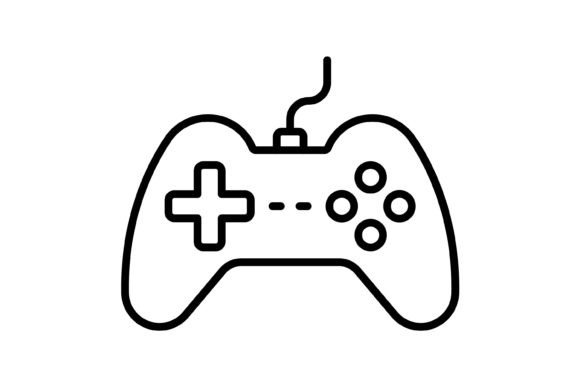
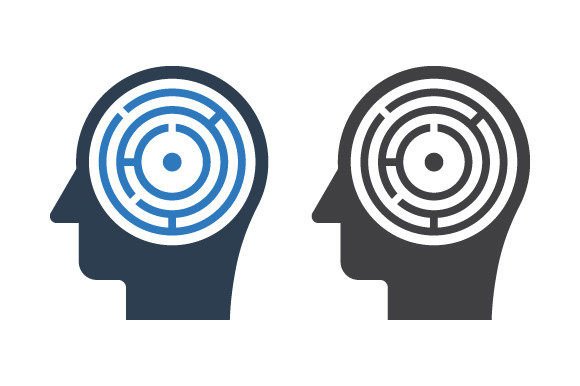
Out of the box, this icon presents itself as a carefully crafted piece of graphic design work. The file set includes EPS, SVG, AI, and PNG formats, which means you can open it in nearly any design tool you use, whether that is Adobe Illustrator, Canva, Affinity Designer, or even a Cricut Design Space setup. The icon itself visually references problem solving, strategic thinking, and mental challenge. It feels modern without being cold, and it carries a subtle intellectual tone that makes it suitable for more than just casual decor. The meticulously designed nature of the asset is apparent in the line weights, the balance of positive and negative space, and the way it holds up at different sizes. For a seller who needs reliable icons that can be used across multiple product types, this level of polish matters.
The mood of the icon leans toward the thoughtful and slightly playful side of commercial design. It is not overly cute, nor is it stiff and corporate. It sits somewhere in the middle, which gives it flexibility. You could see it on a planner sticker for a small business owner who loves strategy games, on a t-shirt design for a puzzle enthusiast, or as part of a branding kit for a coaching practice that emphasizes creative thinking. That versatility is exactly what I look for when I consider adding a new design asset to my product lineup.
Who Connects with This Graphic Design Asset
Understanding your customer is the foundation of any successful digital product business. The Problem Solving Icon - Mind Game Icon appeals to a specific buyer who values mental engagement, problem solving, and visual metaphors for intelligence. This includes life coaches, educators, therapists, game designers, puzzle creators, and entrepreneurs who build personal brands around strategic thinking. It also resonates with hobbyists who enjoy brain teasers, logic puzzles, and mind games. When you sell digital design products, knowing the audience helps you position the asset correctly in your listings, and this icon gives you a clear target.
For small business branding purposes, this icon works well as part of a larger visual identity. If you are creating a brand kit for a client who runs a chess club, a tutoring service, or a creative agency that specializes in problem solving, this icon can serve as a secondary mark or a social media avatar. It also fits nicely into clip art collections aimed at educators and content creators who make worksheets, presentation slides, or blog graphics about critical thinking. The niche is specific enough to stand out, but broad enough to support multiple product variations.
Testing the Problem Solving Icon Across Product Categories
When I prepare a new graphic design asset for my shop, I run it through a series of product tests before I write a single listing description. The Problem Solving Icon - Mind Game Icon performed well in several categories that matter to Etsy product sellers, print-on-demand creators, and digital download shops.
- SVG design and Cricut projects – The icon has clean lines and distinct shapes, which makes it suitable for cutting machines. I tested it on a Cricut Maker and the cut was precise with no stray pieces or overly thin areas that would tear. It works well for vinyl decals, iron-on transfers, and cardstock cutouts.
- PNG design and sublimation – The PNG file comes with a transparent background, which is essential for sublimation design work. I placed it on a mockup of a ceramic mug and a polyester tumbler, and the edges remained crisp. The icon scales well without losing clarity, which is a good sign for larger prints like tote bags or pillow covers.
- Printable wall art and planner stickers – The icon’s visual weight makes it a strong candidate for minimalist wall art prints. It also works at a smaller scale for sticker sheets and planner layouts. I tested it at 1 inch in a sticker mockup and the detail was still readable. That is important for sticker design where small elements often get lost.
- T-shirt design and apparel graphics – The icon fits well as a centered chest print or a small left chest logo. It pairs nicely with a clean sans serif font underneath for a simple, modern look. I also tested it with a handwritten font for a more casual feel, and the contrast worked well.
- Canva templates and social media graphics – The AI and EPS files import easily into Canva if you convert them. The icon sits well inside circular frames, square thumbnails, and header layouts. For social media graphics, it adds a visual hook that signals intelligence and creativity.
How This Icon Supports Product Presentation and Listings
One of the biggest challenges in selling commercial design assets online is making your listings stand out in a sea of thumbnails. The Problem Solving Icon - Mind Game Icon helps with visual hierarchy and mockup appeal. When I created a product mockup for this icon, I used it as the focal point on a clean white background with a subtle shadow effect. The result was a thumbnail that felt premium and intentional. That kind of first impression builds customer trust and increases the likelihood of a click.
For product mockup previews, the icon works well on phone cases, notebooks, tote bags, and wall art frames. I also tested it inside a design bundle mockup where it sat alongside other related icons, and it held its own visually. The consistent line style and balanced proportions make it easy to group with other assets without creating visual noise. If you are building a creative marketplace listing, you can use this icon as a hero graphic in your main image and then show it applied to three or four different products in your secondary images. That approach tells the buyer exactly what they can do with the file.
From a brand identity perspective, this icon can become a recurring element in your shop’s visual language. If you sell multiple design assets that share a similar style, buyers start to recognize your work and return for more. That repeat traffic is gold for a handmade business or a digital product store.
Where This Icon Works Best in Commercial Design
After testing the Problem Solving Icon - Mind Game Icon across several formats, I found that it performs best in certain scenarios. Large product previews, such as wall art prints, tote bags, and notebook covers, highlight the icon’s clean geometry and thoughtful composition. Themed bundles also benefit from this asset because it brings a specific intellectual angle that can distinguish your collection from generic icon packs. For packaging design, the icon adds a layer of meaning that appeals to buyers who appreciate thoughtful visuals.
It also works well in blog graphics and social media templates where the goal is to communicate a concept quickly. A single icon can replace a paragraph of text when used correctly. For small business branding, this icon can serve as a badge or a watermark that signals quality and intentionality. I found that it pairs especially well with display fonts that have a bit of weight, as well as with script fonts that add a human touch to the otherwise geometric form.
When to Use This Icon with Caution
No asset is perfect for every product, and the Problem Solving Icon - Mind Game Icon has a few limitations that sellers should consider before publishing. The icon contains fine details that may not hold up well in extremely small sizes, such as tiny sticker elements on a busy planner page or low-resolution print products where the line work can blur. If you are creating a Cricut project with very small cuts, test the scaled-down version first to make sure the intricate parts do not fall apart.
Another area to watch is contrast. The icon was designed with a certain visual balance that works best on light or medium backgrounds. On dark backgrounds, especially if the icon is reversed to white, some of the internal shapes can lose definition if the contrast is not adjusted properly. I recommend previewing the icon on both white and dark backgrounds before finalizing your listing images. For sublimation design on dark fabric, you may need to add a white underlayer or choose a design where the icon sits on a light base.
Additionally, the icon’s niche appeal means it will not attract every buyer. If you are building a broad clip art collection for general use, this icon may feel too specific for some customers. It works best when positioned within a themed collection or a targeted product line. Avoid using it in overly complex layouts where the icon competes with other visual elements. It needs breathing room to communicate its message effectively.
Practical Notes for Sellers Preparing This Asset for Market
Before you publish a listing that includes the Problem Solving Icon - Mind Game Icon, take a few practical steps to ensure the product meets customer expectations. Test the design on real product mockups before you write your description. Preview how it looks as a marketplace thumbnail because that small image is often the deciding factor for a buyer. Check the icon on both white and dark backgrounds to confirm that the contrast works in both cases. If you are selling a PNG design, verify that the transparency is clean and that there are no leftover pixels around the edges.
For SVG design files, inspect the cut quality in your design software. Look for open paths, overlapping shapes, or areas that might cause cutting issues on a Cricut or Silhouette machine. Clean up any unnecessary nodes if needed. Organize the files clearly for your customers. Use folder names that make sense and include a simple instruction sheet for buyers who may not be familiar with unpacking design files. The original file set includes EPS, SVG, AI, and PNG formats, which covers most use cases, but you may also want to add a DXF version for machine users who prefer that format.
When it comes to font pairing, the icon works well with several styles. A strong sans serif font like Montserrat or Roboto gives it a modern, clean look. A serif font like Playfair Display adds a touch of sophistication. A handwritten font brings warmth and approachability. A display font with bold character can make the icon feel like a badge. Test a few combinations in your mockups to see what fits your target audience. For Canva template sellers, having the icon in an editable format within the template itself is a huge selling point.
Finally, confirm the commercial license terms before you start selling finished products that use this icon. Most graphic design asset purchases include a standard commercial license, but you need to understand whether the license allows for unlimited sales, whether it covers physical products, and whether credit is required. This step protects your business and your customers. I always include a brief license note in my product descriptions so buyers know exactly what they can do with the files.
Adding This Icon to Your Product Line
The Problem Solving Icon - Mind Game Icon is a solid addition to any digital product shop that serves a niche audience interested in strategy, thinking, and creative problem solving. It is well-constructed, comes in multiple formats, and offers enough versatility to be used across a range of products from printable design to merchandise graphics. It is not a generic icon that will appeal to everyone, but that is precisely its strength. The specificity of the concept helps you attract buyers who are looking for something meaningful, not just decorative.
For sellers who are building a design bundle or a themed collection, this icon can anchor a set of assets that all revolve around mental challenges, puzzles, and intellectual growth. It also works well as a standalone product for buyers who need a single, reliable icon for a specific project. As with any new asset, test it thoroughly, preview it in real product scenarios, and position it clearly in your listings. If you do that, the Problem Solving Icon - Mind Game Icon can become a consistent performer in your shop that supports both your brand identity and your bottom line.