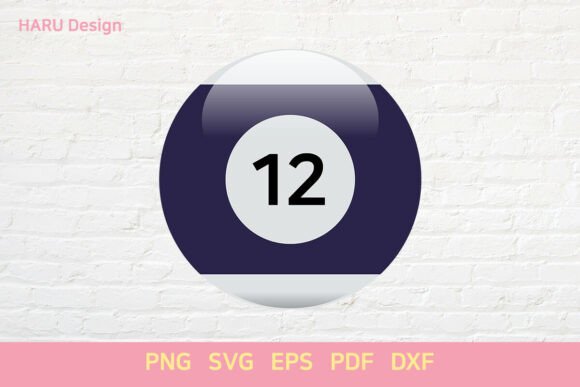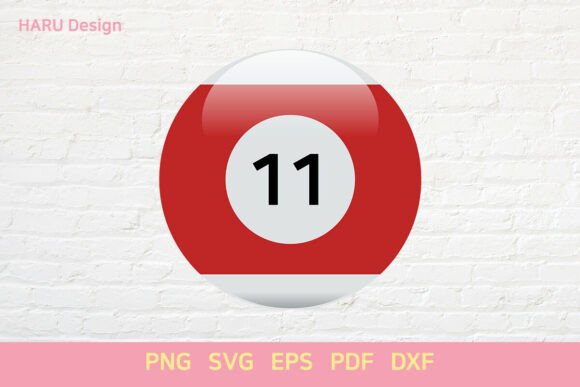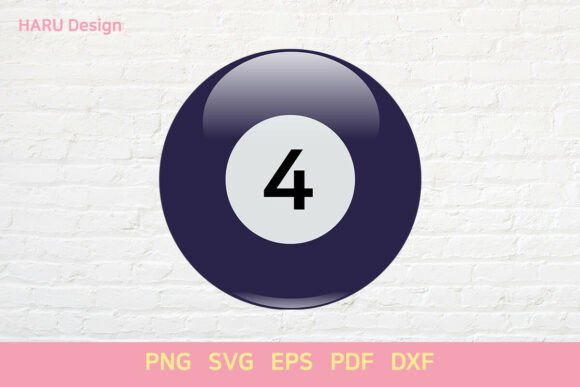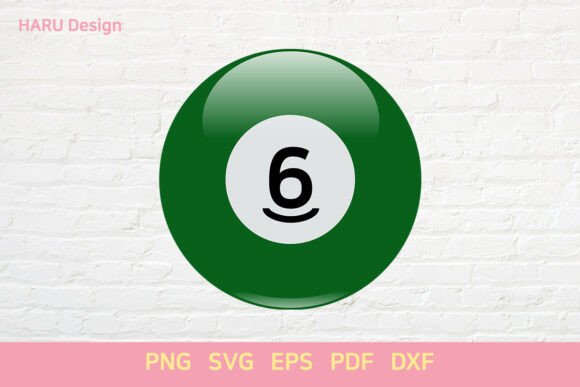
Pool Balls 6 Billiard Balls Table Game
When I first opened the Pool Balls 6 Billiard Balls Table Game embroidery file, I was already picturing it on a custom tote bag for a local pool hall owner who wanted something classic but not flashy. The initial impression is clean, confident, and slightly nostalgic. It carries the mood of a well-worn felt table under warm light, where the game matters more than the decor. The six-ball layout feels intentional, not crowded. Each ball sits with enough breathing room to read clearly at a glance, which is exactly what you want in a machine embroidery design meant for real products people will carry, wear, or give as gifts.
The visual personality of this embroidery design lands somewhere between sporty and refined. It is not a cartoonish take on billiards. It respects the geometry of the game. The circular forms, the clean numbering, the balanced composition all suggest that the designer understood how these elements would behave under a needle. That matters when you are building a handmade product line or stitching a personalized gift for a client who knows the difference between a rushed design and one that was built with intention. This design belongs naturally on custom apparel, game room decor, bar accessories, and merchandise for billiard leagues or pool halls. It also works well for holiday embroidery gifts for the person who already has everything except a well-stitched reminder of their favorite table game.
A Real Project That Sold Me on the Layout
I took on a small order for a sweatshirt embroidery project. The client wanted something that referenced their weekly billiard night without being too loud. I pulled up Pool Balls 6 Billiard Balls Table Game and tested it on a mid-weight cotton sweatshirt in a neutral charcoal. The design sat beautifully on the left chest area. The six balls read clearly from a few feet away, and the spacing between each element kept the whole piece from feeling heavy. That is a hard balance to strike with a multi-element design like this. If the balls were packed tighter, the stitch density would have made the fabric pucker. If they were spread too far apart, the composition would lose its sense of unity. This version hits the sweet spot.
I also ran a test on a tote bag design using a medium-weight canvas. The embroidery file handled the shift in fabric texture well. The edges stayed crisp, and the fill areas laid down evenly. I used a tear-away stabilizer and a standard 60-weight thread for the top and bobbin. The design did not fight me. That is the kind of experience that makes you want to keep a design in your active library for repeat orders. Whether you are producing embroidered patches for a craft fair or stitching a one-off baby embroidery gift for a billiard-loving parent, this file gives you a reliable foundation.
Where This Design Performs Best
In my testing, Pool Balls 6 Billiard Balls Table Game performs strongest on stable, medium-weight fabrics. Think custom apparel like sweatshirts, denim jackets, aprons, and structured tote bags. It also works well on pillow cover projects and tea towels if you want to add a playful accent to a kitchen or game room. The design size, built around a 12 by 12 inch artboard, gives you flexibility to scale it up or down depending on your hoop size. I tested it at about 80 percent of the original size on a cap and it still held its clarity, though I would recommend testing your own scaling before committing to a production run.
For commercial embroidery projects, this design offers strong visual appeal without requiring excessive thread changes. The color zones are distinct enough that you can assign thread colors logically and avoid unnecessary trims. That translates to faster run times and consistent results across multiple units. If you are an Etsy seller or a small shop product creator, that efficiency matters when you are stitching ten or twenty items for a weekend market or a bulk order. The design also works well as a printable mockup for your online listings. The PNG file included in the set lets you preview how the finished piece will look on a product photo, which helps with customer trust and buyer engagement before they even place an order.
Where You Should Use Caution
No design is perfect for every surface, and Pool Balls 6 Billiard Balls Table Game has a few limitations worth noting. On small hoop sizes under four by four inches, the individual balls may become too small to maintain clean detail, especially the numbers. If you are working with a tiny lettering situation or a detailed corner placement, test the design at your intended size on scrap fabric first. The same caution applies to textured fabrics like fleece or heavy knits. The fill stitch areas can sink into the nap and lose their sharpness. I would recommend a cut-away stabilizer and a slightly tighter stitch density if you must use a textured ground fabric.
Stretchy fabric like jersey or lightweight interlock also requires extra preparation. The circular shapes in this design can distort if the fabric shifts during stitching. Use a temporary spray adhesive and a firm hooping technique to keep everything in place. For dark fabric, check your thread color contrast carefully. The white and light-colored balls will pop well, but the darker balls may blend into a black or navy background if you do not adjust your thread selection. I ran a test on a dark olive green sweatshirt and had to swap the black ball thread to a deep charcoal to keep the detail visible. Small adjustments like that make the difference between a product that looks professional and one that looks like a quick stitch.
Curved surfaces like caps and hats present another challenge. The design is wide enough that it may wrap around the curve of a cap front in a way that distorts the roundness of the balls. If you are doing cap embroidery, I would recommend reducing the design width or testing it on a curved hoop before stitching a full run. The applique design potential here is also worth considering. If you plan to convert this into an applique, you will need to simplify the number details, but the ball shapes themselves would work well with fabric layering. That is a nice option for baby embroidery or personalized gifts where you want a softer, textured look.
How This Design Affects Product Value and Customer Perception
When a customer sees a well-stitched billiard design on a handmade product, they immediately associate it with quality craftsmanship and attention to theme. Pool Balls 6 Billiard Balls Table Game has a clean, recognizable look that reads as professional rather than homemade. That distinction matters for brand consistency and giftability. A personalized gift with this design feels thoughtful, not generic. It tells the recipient that someone took the time to match the gift to their interests. For small business merchandise and craft fair products, this design gives you a strong hook for customers who love billiards, game rooms, or vintage sport aesthetics.
The design assets included in the set, the SVG, EPS, PNG, PDF, and DXF files, give you flexibility beyond the embroidery machine. You can use the vector files for printable mockups, signage, or digital previews. The PDF is useful for client approvals or project notes. The DXF file works well if you are cutting stencils or templates for other applications. This kind of file variety is especially valuable for creative entrepreneurs who sell across multiple platforms and need consistent branding across physical and digital products. If you are a digital product seller, you can use the PNG to create listing images that show the design in context, which helps with buyer engagement and conversion rates.
Practical Designer Notes Before You Stitch
Before you load Pool Balls 6 Billiard Balls Table Game into your machine, take a few minutes to prepare. Test the design on scrap fabric that matches your final product material. Check your thread colors against the fabric background in both natural and artificial light. Review the stitch density in your software if you have that capability. If the file feels denser than your fabric can handle, consider reducing the density slightly or using a heavier stabilizer. Confirm your hoop size will accommodate the design at your intended scale. The artboard is set at 12 by 12 inches, but you can resize it as needed. Just be careful not to shrink it so much that the numbers become illegible.
I also recommend testing the design in a black and white mockup before stitching. This helps you see contrast issues that color vision can mask. Compare how it looks on light and dark fabric backgrounds. If you are stitching for a client, stitch one sample and let them approve it before you produce the full order. That small step saves time and materials and builds customer trust. For commercial embroidery projects, confirm the licensing terms of the design before selling finished products or using it as a digital embroidery file in your own shop. The product listing includes SVG, EPS, PNG, PDF, and DXF files, but always verify what rights you have for commercial use, especially if you plan to sell the finished items or the design itself as a digital product.
If you are a hobbyist or maker stitching for personal use, this design is straightforward enough to enjoy without frustration. The layout is forgiving, the theme is universal, and the finished piece looks satisfying on almost any item. For apparel decorators and small business owners, it is a reliable addition to your catalog that can serve multiple product types without requiring heavy customization. That kind of versatility is rare in themed embroidery designs, and it is exactly what makes Pool Balls 6 Billiard Balls Table Game a file worth keeping in your rotation.