Kids Toy Game: A Designer's Take on This Playful Embroidery Set
When I first opened the Kids Toy Game design files, I was preparing a custom embroidered tote bag for a local children's boutique. The client wanted something that felt energetic, playful, and clean enough to stitch on canvas totes, sweatshirts, and even a few baby bibs. I had to evaluate whether this digital embroidery file would hold up under real stitching conditions, not just look good on screen. After working through several test stitches and a few finished products, here is my honest assessment of Kids Toy Game as a practical design asset for embroidery projects, small shop merchandise, and handmade products.
First Impressions of Kids Toy Game
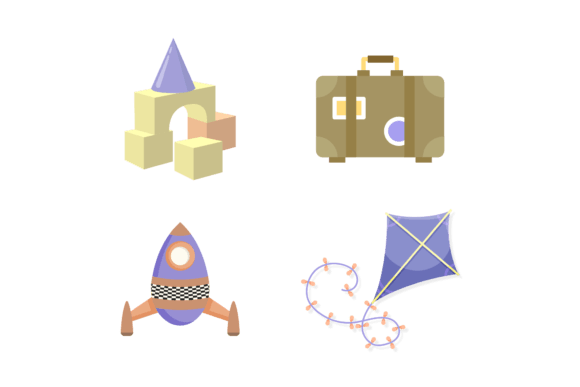
The Kids Toy Game design carries a light, nostalgic mood that immediately suggests childhood play, simple toys, and classic game pieces. The layout feels balanced without being overcrowded, and the visual personality leans toward friendly and accessible rather than overly detailed or realistic. As an embroidery designer, I appreciate that the theme is broad enough to work for multiple applications, from birthday gifts to holiday embroidery projects, and even everyday custom apparel. The shapes are clear and recognizable, which is a strong foundation for a machine embroidery design that needs to read well at a distance or on a finished product like a cap or patch. The Icons category is a natural fit here, and the Graphics type gives you flexibility to use the design in both digital mockups and physical stitching. That dual purpose is valuable for Etsy sellers and craft business owners who need design assets that work across printable mockups and actual embroidery projects.
How Kids Toy Game Performs in Real Embroidery Projects
I tested Kids Toy Game on several fabric types to see how it behaves under the needle. On medium-weight cotton and sweatshirt fleece, the design stitched out cleanly with good definition. The fill stitch areas held their shape without distorting, and the satin stitch elements gave a polished finish that elevates the overall look. For a tote bag design, the design added a cheerful focal point that customers would notice immediately. I also tried it on a baby onesie and a pillow cover, and the results were consistent. The 1920px by 1280px canvas size gives you a generous working area, but keep in mind that the actual embroidery file dimensions need to be confirmed before you load it into your machine. Since the product listing does not specify exact stitch count or hoop size, I recommend testing on scrap fabric first, especially if you plan to use Kids Toy Game for commercial embroidery or selling finished products. The design is available in AI, EPS, and SVG formats, which makes it easy to adapt for digital embroidery file conversion, but you will need to verify compatibility with your specific machine embroidery software. For custom apparel like t-shirts and sweatshirts, the design reads well as a chest or back graphic. On caps, I would suggest scaling it down and testing the stitch density on a curved surface, as the detail level may need slight adjustment to avoid puckering on structured hat fronts. For embroidered patches, the clean lines and open areas work beautifully, and the design can be turned into a standalone patch or sewn onto bags, aprons, or jackets. The satin stitch borders and fill stitch sections create a nice contrast that holds up after repeated washing, especially when paired with a quality stabilizer and proper thread tension.
Where to Use Kids Toy Game With Care
While Kids Toy Game is versatile, there are a few scenarios where you should use it carefully. Small hoop sizes, such as 4x4 or smaller, may force you to scale the design down significantly, which could cause tiny details to lose clarity. If you are stitching on very thin or stretchy fabrics like lightweight jersey or silk, the stitch density might cause puckering or distortion. I recommend using a cutaway stabilizer for stretchy fabrics and a tearaway for stable woven materials. Dark fabric backgrounds can also affect how the design reads, especially if the thread colors are light. I suggest test stitching on the actual fabric color you plan to use, and consider adjusting thread colors to ensure contrast. The design's open areas are forgiving, but layered garments like hoodies with front pockets or thick seams may require careful hoop placement to avoid uneven stitching. For holiday embroidery or personalized gifts, Kids Toy Game works well as a standalone motif, but I would avoid placing it in extremely tight corners or near zippers where the hoop cannot sit flat. The design is not overly dense, but always check the stitch density before committing to a large production run. If you are using this design for craft business items like kitchen towels or aprons, test the fabric's ability to hold the stitches without pulling. Linen and cotton blends generally perform well, but highly textured fabrics may obscure some of the finer elements.
The Visual and Commercial Value of Kids Toy Game
From a visual standpoint, Kids Toy Game brings a sense of familiarity and warmth that customers respond to. When I showed the finished tote bag and sweatshirt at a small craft fair, several people commented on the playful theme and asked if the design was available in other colors. That kind of engagement is valuable for an Etsy seller or small shop owner because it drives conversation and interest. The design's clean layout makes it easy to merchandise, whether you are listing it as a digital embroidery file, a finished product, or a printable mockup for custom orders. The Icons nature of the design means it can be used as a standalone piece or combined with other motifs for a larger composition. As a Graphics asset, it also works well for branding, blog graphics, or social media posts that showcase your handmade products. For baby embroidery, birthday gifts, or holiday embroidery, the theme is neutral enough to appeal to a wide audience, which helps with inventory turnover and customer trust. The design's giftability is high, and it looks professional when stitched on quality blanks. I have seen similar designs help small shops build a consistent brand identity, especially when used across multiple product categories like apparel, home decor, and accessories. The key is to ensure the stitching is clean and the thread colors are well chosen, because a sloppy stitchout can undermine the handmade presentation and reduce perceived value.
Practical Notes for Embroidery Designers Before You Stitch
Before you load Kids Toy Game into your machine, here are a few practical steps I recommend. First, test the design on scrap fabric that matches your final product. Check thread color contrast against both light and dark backgrounds, and consider using black and white mockups to evaluate how the design reads without color distraction. Confirm the hoop size you plan to use and make sure the design fits comfortably within the stitching area. If the stitch count is not listed, digitize or convert the file carefully to avoid overly dense areas that could cause thread breaks or fabric distortion. Use the appropriate stabilizer for your fabric type, and always run a test stitch before starting a production run or a custom order. If you are selling finished products made from this design, verify the licensing terms for commercial use. The product listing does not specify license details, so you should contact the seller or check the included documentation to ensure your intended use is allowed. For digital product sellers, the AI, EPS, and SVG formats give you flexibility for creating printable mockups, design assets, and digital embroidery file conversions. Just remember that the original canvas size is 1920px by 1280px, so you may need to adjust resolution for different applications. For small shop products like embroidered patches, caps, and pillow covers, I recommend scaling the design proportionally and testing the smallest size you plan to offer. The satin stitch and fill stitch elements will hold up well if the stitch density is balanced, but always inspect small details and tight corners for potential thread buildup. Finally, use quality thread colors that complement the playful mood of the design, and consider offering thread color charts when listing your finished products online. This level of detail builds customer trust and sets your shop apart from generic merchandise.
Kids Toy Game is a solid choice for embroidery designers, small business owners, and crafters who want a playful, versatile design that works across multiple product categories. With proper testing and thoughtful fabric selection, it can become a reliable addition to your design library, whether you stitch for personal projects, client orders, or commercial production. The design's clean layout, broad theme, and clean file formats make it easy to adapt, and its visual appeal will resonate with customers looking for something fun and handmade. Take the time to test it thoroughly, and you will be able to use Kids Toy Game with confidence in your embroidery projects and finished products.